
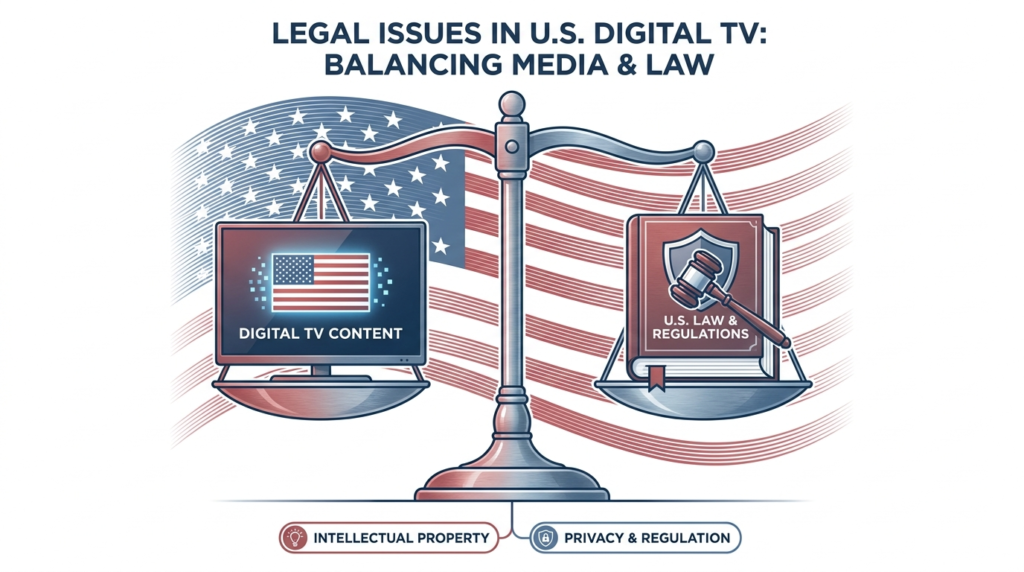
IPTV, or Internet Protocol Television, is a method of delivering television content over the internet rather than traditional cable or satellite formats. It has revolutionized how viewers access live TV, movies, and series, making content more accessible across devices like smart TVs, smartphones, and computers. Despite its popularity, many people wonder, “is IPTV illegal?” To answer this, it’s essential to understand the technology and distinguish between legal and illegal IPTV services.
IPTV technology streams content directly through internet protocols, enabling both live broadcasts and video on demand (VOD). Legal IPTV services operate with licenses from content owners and broadcasters, ensuring that programming rights are properly secured. These services typically provide an electronic program guide (EPG) to help users navigate scheduled programming seamlessly. On the other hand, illegal IPTV services distribute content without authorization, often offering access at unusually low prices or without any licensing transparency. The key difference lies in whether the service respects copyright laws and compensates content creators legally.
The legality of IPTV in the USA largely depends on compliance with copyright laws. Several federal laws regulate streaming content, including the Digital Millennium Copyright Act (DMCA) and the Protecting Lawful Streaming Act. The DMCA prohibits unauthorized distribution of copyrighted material, while the Protecting Lawful Streaming Act specifically targets commercial-scale streaming piracy. These laws impose severe penalties on providers who illegally distribute streamed content without licenses.
Users might wonder about the legal risks associated with IPTV. Generally, legal repercussions for users accessing unauthorized IPTV vary; while users might not face severe criminal charges, they could potentially receive warnings or be caught in civil lawsuits. Providers, however, face felony charges and significant fines. Being informed about these risks is crucial for anyone considering an IPTV subscription.
Spotting a legitimate IPTV service involves several important criteria. Genuine providers are transparent about their licensing and content sources, offer clear subscription terms, and maintain consistent service quality. They also price their services realistically, reflecting licensing costs. Warning signs of illegal IPTV providers include extremely low subscription fees, a lack of official licensing information, frequent downtime, and poor customer support. Understanding these signs can protect users from piracy-related legal issues.
For safer IPTV usage, best practices include choosing well-established providers with strong reputations and exploring reviews from trusted sources. Some users consider using a VPN to enhance privacy; while VPN usage is legal in the U.S., it doesn’t legalize access to unauthorized content. Therefore, relying on licensed IPTV services remains the most reliable way to stay compliant. For more information about IPTV legality and service options, this detailed explanation on IPTV legal facts in the U.S. provides useful insight.
Many common questions surround IPTV legality. For instance, can a user be arrested for using illegal IPTV? While arrests are more commonly aimed at providers, users could face consequences depending on the severity and scale of infringement. Regarding IPTV boxes, these devices themselves aren’t illegal, but they often come pre-loaded with unauthorized apps or content, which raises legal concerns. Users should be cautious about what software or channels they access via such devices. Finally, the use of VPNs with IPTV is legal, but it does not exempt the user from copyright laws.
Using illegal IPTV services can lead to several consequences. Internet Service Providers (ISPs) often monitor network traffic for piracy activity and may send legal notices or throttle bandwidth to suspected users. Moreover, illegal IPTV users might face lawsuits or fines if caught. Beyond legal risks, unauthorized services tend to be unreliable, with poor streaming quality and frequent interruptions.
For consumers aiming to enjoy IPTV safely and legally, subscribing to licensed IPTV services offers access to high-quality live channels, movies, and series without the risk of legal trouble. Services like TiviStation IPTV Subscription provide a range of entertainment options backed by proper licensing and customer support.
To understand IPTV legality comprehensively, readers may find helpful resources such as Best IPTV Finder’s guide on IPTV legality in the USA, Firestick Tricks explanation about IPTV legality, and TroyPoint’s analysis on the legality of IPTV. These sources clarify complex legal concepts and emerging enforcement trends.
In conclusion, whether “is IPTV illegal” depends heavily on the choice of service and adherence to U.S. copyright laws. Consumers should avoid unlicensed providers and prefer subscription plans from reputable, transparent IPTV platforms. If ever uncertain, seeking legal advice is prudent. For a trustworthy and legal IPTV experience, consider exploring TiviStation to access a premium, licensed content library with dependable streaming.
Frequently asked questions include:
Q: What differentiates legal IPTV from illegal IPTV?
A: Legal IPTV is licensed and authorized to distribute content, while illegal IPTV operates without rights, violating copyright laws.
Q: Can I face legal consequences for using IPTV?
A: Users risk civil penalties and warnings; criminal charges are less common but possible depending on the infringement.
Q: Are IPTV boxes illegal?
A: The devices themselves are legal, but preloaded unauthorized apps or illegal streams are problematic.
Q: Is using a VPN with IPTV legal?
A: Yes, VPN usage is legal, but it does not legitimize accessing illegal content.
Q: How do I choose a safe IPTV provider?
A: Look for licensing transparency, fair pricing, quality service, and verified customer feedback.